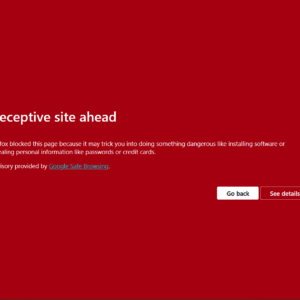
Bluequbit.org Exposed: How Investors Lost Millions — And What You Can Do Now
Cryptocurrency fraud surged dramatically in 2024, with more than $5.6 billion stolen globally, according to the FBI’s IC3 report and Chainalysis. Buried within thousands of complaints is a fast-growing name: Bluequbit.org — a platform that presented itself as an advanced, AI-driven trading ecosystem but ultimately drained accounts, blocked withdrawals, and disappeared behind offshore networks.
Bluequbit.org’s rapid rise and collapse highlight a bigger problem in 2025: scammers adopting high-tech branding faster than regulators can react, using AI buzzwords, paid influencers, and social media ads to appear legitimate while targeting investors worldwide.
What Was Bluequbit.org Claiming to Be?
Bluequbit.org marketed itself as a “next-generation trading environment” powered by AI automation. It promised features such as:
- • Automated crypto arbitrage tools
- • Monthly returns advertised as high as 25 percent
- • Copy trading with “elite traders”
- • Membership tiers and exclusive staking rewards
These claims targeted inexperienced traders, retirees, and investors seeking passive income during the crypto boom.
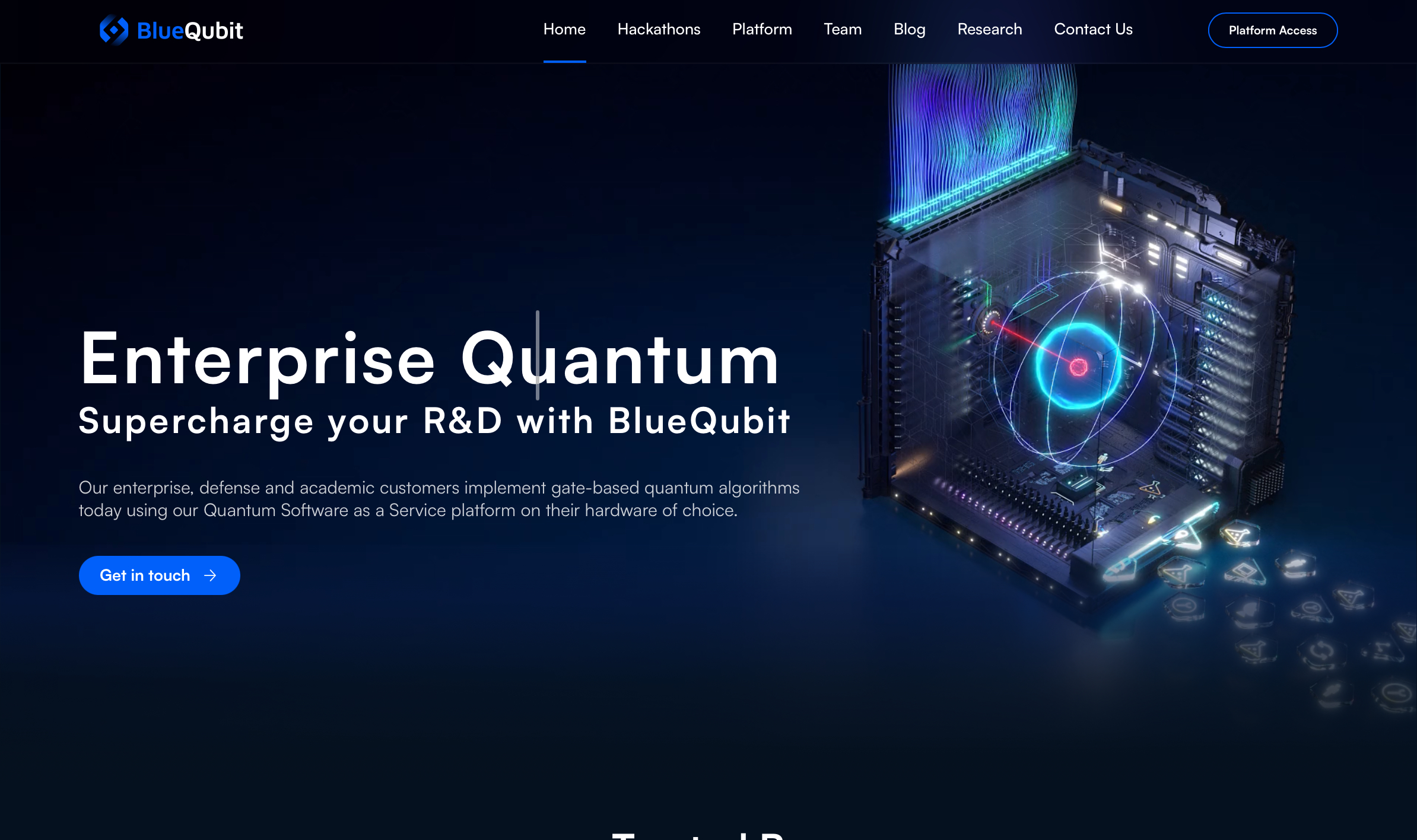
If You Lost Money to Bluequbit.org — Don’t Seek Help Alone
One of the biggest risks after a scam is falling for fake recovery agents. These imposters charge upfront “retrieval fees” and vanish, adding to losses.
Through ScamFindings, Melmac Solutions provides legitimate assistance:
• Free blockchain wallet tracing to understand where funds moved
• Professional investigation using advanced cyber intelligence
• Possible recovery strategies using OSINT, HUMINT, CYBINT, and FININT
• No upfront-payment scam tactics
Victims should never trust anyone promising guaranteed recovery.
How Bluequbit.org Attracted Victims
Bluequbit.org used modern, high-pressure digital marketing strategies:
• Paid ads across YouTube, TikTok, Instagram, and Telegram
• Fake regulatory certificates from the FCA (UK) and ASIC (Australia)
• AI-generated testimonials and stock-photo “success stories”
• Pushy Telegram and WhatsApp “account managers”
• Staged dashboards showing fake profit growth
These methods are commonly used by offshore investment fraud networks.
Regulatory Warning — FCA Flags Bluequbit.org (March 2025)
In March 2025, the UK’s Financial Conduct Authority (FCA) officially listed Bluequbit.org as an unauthorized firm:
“This firm is not authorised by us and is targeting people in the UK. You will not have access to the Financial Ombudsman Service or the FSCS if things go wrong.”
This warning confirmed what victims had been reporting for months — that Bluequbit.org was operating illegally.
Victim Story: Mark Lost His £70,000 Retirement Fund
Mark, a 58-year-old engineer from Manchester, invested his retirement savings after seeing Bluequbit.org on YouTube. His experience mirrors thousands of others:
• The dashboard displayed 18% “profit” in the first few weeks
• Support agents urged him to deposit more to unlock “VIP Status”
• When he requested a £10,000 withdrawal, his account was frozen
• Bluequbit.org demanded a 15% “liquidity release fee” to unlock the withdrawal
• After paying, his account was deleted entirely
Mark’s words to ScamFindings:
“I thought I was investing for my family’s future — instead, I was wiped out.”
ScamFindings Investigation: What We Discovered
Our forensic research uncovered a coordinated fraud structure:
1. Offshore Registration
Bluequbit.org’s domain was registered in 2023 through a Panama-based shell entity with anonymized Whois data.
2. Multiple Clone Domains
Sites like Bluequbit.org, bqubitfx, and others used identical layouts to catch victims from different regions.
3. Zero Regulatory Licensing
No records found with FCA, ASIC, FINRA, or any reputable regulator.
4. Blockchain Tracing
Crypto deposits were routed through mixers before landing in wallets associated with Eastern European and Asian exchanges.
5. Broader Trend
Chainalysis reports show that investment scams similar to Bluequbit.org represent 42 percent of all crypto fraud revenue globally.
Why Bluequbit.org Is Part of a Larger Scam Model
Bluequbit.org is not an isolated scam — it’s an example of a new generation of AI-branded frauds that leverage:
- • Buzzwords like “AI trading,” “quant models,” and “Web3 staking”
- • Offshore jurisdictions
- • Global influencer-style marketing
- • Fake dashboards and synthetic analytics
- • Highly persuasive multilingual support teams
Victims often feel helpless because funds move across several countries within hours.
How to Identify Scams Like Bluequbit.org — Before You Lose Money
Watch for these warning signs:
• Promises of fixed or guaranteed monthly returns
• Withdrawal “fees,” delays, or excuses
• Fake regulatory badges (always verify directly on FCA/ASIC/SEC sites)
• Pushy account managers urging reinvestment
• Unclear ownership or offshore registrations
• Clone websites resembling legitimate brokers
Where to Report Platforms Like Bluequbit.org
If you suspect fraud, report immediately:FCA Scam Alerts (UK)
Your national cybercrime center
ScamFindings’ complete guide: How to Report Crypto Scam in 2025
Reporting strengthens international investigations.
Regulatory Warning FCA Flags Bluequbit.org (2026 Edition)
Bluequbit.org did not just raise eyebrows. It triggered an official warning. In March 2025, the UK Financial Conduct Authority flagged Bluequbit.org as an unauthorized firm targeting investors. That warning still matters in 2026. When a platform is unlicensed, users lose basic protections. No ombudsman. No fallback. Just risk, plain and simple.
Many users say they only noticed the FCA alert after funds became hard to withdraw. By then, it was too late. The site looked sharp. The language felt confident. AI trading, stable returns, fast onboarding. All very familiar signals. The same patterns appear in the LWEX trading platform analysis and the Quotex scam review. Different branding, same playbook.
Independent reviewers have raised similar concerns. A separate breakdown published by Coin Insider highlights red flags around licensing claims and user complaints, which you can read here: https://www.coininsider.com/reviews/bluequbit/. The key point is simple. If a regulator issues a warning, pause. Step back. That warning is there for a reason.
FAQs
1.Is Bluequbit.org a legitimate trading platform?
No. Bluequbit.org is an unregulated platform flagged by the FCA in 2025 for operating without authorization and targeting investors illegally.
2.Why can’t I withdraw my money from Bluequbit.org?
Like many investment scams, Bluequbit.org uses fake “liquidity fees” and technical excuses to block withdrawals and pressure victims into paying more.
3.What should I do if Bluequbit.org scammed me?
Stop communicating with their agents, secure your evidence, report the platform to regulators, and request a professional blockchain trace through ScamFindings or Melmac Solutions.
4.Can crypto funds lost to Bluequbit.org be recovered?
Recovery is not guaranteed, but blockchain forensics may help track fund movement and identify recovery pathways depending on jurisdiction and exchange involvement.
5.How did Bluequbit.org convince people it was real?
They used fake dashboards, counterfeit regulatory licenses, aggressive social media ads, and AI-generated testimonials to appear trustworthy.
6.Does Bluequbit.org have any regulatory license?
No. There is no record of authorization with the FCA, ASIC, FINRA, ESMA, or any financial regulator.
7.How do I verify if a crypto platform is legitimate?
Search the regulator’s website directly (e.g., FCA, SEC, ASIC) and avoid any company offering guaranteed returns or requesting upfront withdrawal fees.
8.What red flags indicate a crypto trading scam?
Guaranteed returns, unlicensed operations, cloned websites, pressure to reinvest, withdrawal restrictions, and anonymous ownership details.