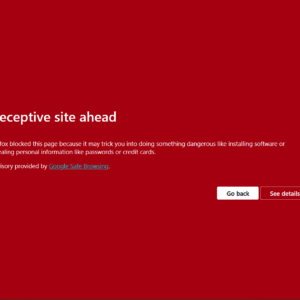
In 2024 alone, cryptocurrency scams siphoned at least $9.9 billion in on-chain value — and that’s a conservative, lower-bound estimate that will rise as more illicit addresses are identified. Scammers are evolving faster than regulators, using polished websites, cloned identities, and social media funnels to mass-target ordinary investors. Chainalysis
RazeMarkets presents as an “institutional-grade” forex/CFD/crypto venue. But the UK’s financial watchdog says otherwise: the firm is not authorised and may be targeting UK consumers.
What the company claims to offer
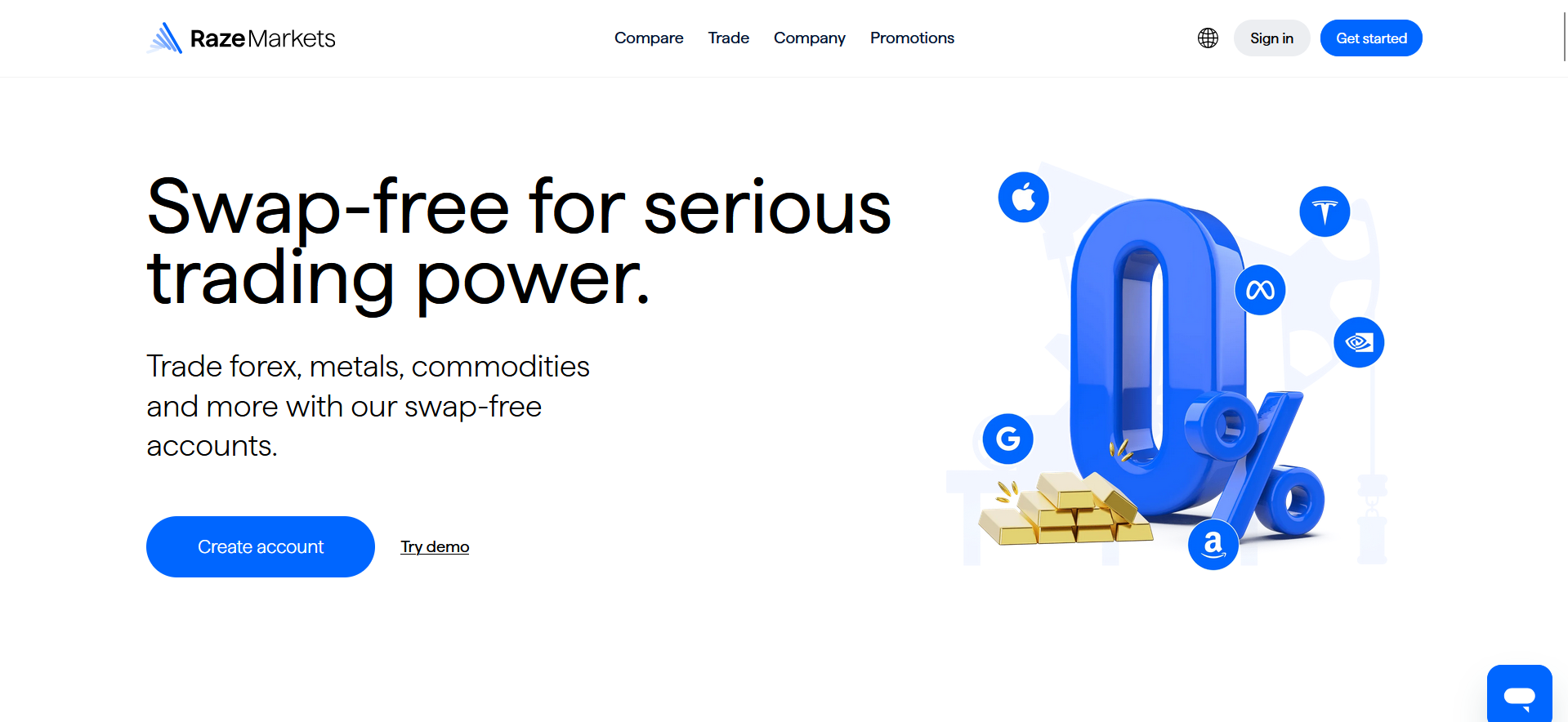
On its public site, RazeMarkets markets “individual access, institutional-grade trading”, plus tools like a signal centre, tight spreads, and multi-asset coverage. The marketing reads like a best-in-class broker — complete with risk disclaimers that mimic regulated firms. Raze Markets+1
How they lure victims
- ➡️ Aggressive ad funnels & Telegram/WhatsApp signals: Promotional posts and “free signal” channels draw users into opening accounts quickly, often dangling limited-time bonuses or VIP strategies. (Public review trails describe heavy use of “free signals” as a hook.) Trustpilot
- ➡️ Social proof via review sites: A mixed footprint on consumer platforms — including conspicuously glowing reviews interspersed with withdrawal complaints — creates confusion and urgency. Trustpilot+1
- ➡️ Regulation theater: Risk warnings and professional-looking pages create the impression of compliance, even when there is no FCA authorisation. Raze Markets+1
The mechanics of the fraud (typical pattern we observed across reports)
- Frictionless deposits, obstructed withdrawals: Onboarding and funding are easy; withdrawals trigger “security checks,” new minimums, unexpected fees, or “portfolio protection” top-ups.
- Account manipulation: Dashboards show unverified “profits” tied to signals or bots. Losses are blamed on user error; “wins” are locked behind fee gates.
- Pressure escalations: “Senior analysts” nudge larger deposits to recover losses or unlock “institutional” spreads.
- Silence or suspension: When victims push to withdraw or question licensing, communications slow, then stop — or accounts are disabled for “compliance” reasons. Read more on Investor’s protection and how to report a cryptocurrency scam here.
Regulator warning: The FCA lists RazeMarkets on its public warning pages: “This firm is not authorised or registered by us and may be targeting people in the UK.”
If you’ve been scammed by AlphaHawk Trading, don’t face it alone. Melmac Solutions is committed to helping victims recover lost funds through a transparent, first-line forensic wallet tracing approach. Our ScamFindings platform offers free case assessments and investigation pathways that can uncover hidden funds.
Victim Story (Case Study)
“Linda,” 58, UK teacher — loss: £42,300
Linda saw RazeMarkets through a Facebook ad for “institutional-grade signals.” After a quick call with a “market strategist,” she deposited £1,000. Early trades (visible on her dashboard) appeared to win; she was urged to add £10,000 “to qualify for pro spreads.” Over three months, deposits climbed to £42,300.
When Linda tried to withdraw £8,000 to pay for home repairs, support said her account had entered a “portfolio protection” state and required a 15% security reserve before any withdrawal. She refused. Her account was then “temporarily suspended for AML review.” Weeks later, she was told to upload new KYC — followed by silence.
Beyond the financial hit, Linda describes insomnia and guilt over hiding the losses from her partner — textbook emotional fallout we see in investment fraud survivors.
(Details anonymised; composite based on patterns repeated across complaints about unregulated brokers.)
Investigative Findings
Regulator action
- ➡️ Direct FCA Warning (RazeMarkets): The FCA explicitly warns that RazeMarkets is not authorised and may be targeting UK consumers. FCA
- ➡️ Historical context: A similarly named “Razer Markets” was also warned by the FCA in 2021 — highlighting how look-alike brands cluster around the same playbook. FCA
- ➡️ FCA Warning List (search hub): The FCA’s searchable Warning List aggregates unauthorised firms — crucial for due diligence before transferring funds. FCA
Site claims vs. evidence
- ➡️ Marketing and “signal centre” tools project sophistication, but authorisation is absent, per the FCA. Raze Markets+1
- ➡️ Review forensics show a split profile: enthusiastic 5-star posts alongside threads alleging blocked withdrawals and IB/referral disputes — a classic astroturf pattern. Trustpilot+1
Data points that set the risk context
- ➡️ Macro scam surge: Chainalysis estimates at least $9.9B in 2024 scam inflows — with “pig-butchering,” high-yield investment frauds, and professionalised drainer kits raising the floor on global losses. Chainalysis+1
- ➡️ U.S. victim losses: The FBI reports $3.9B in 2023 losses tied to crypto investment scams alone — the single largest category. Federal Bureau of Investigation+1
Why “unregulated” matters
Authorised UK brokers appear on the Financial Services Register and fall under FCA conduct rules, capital standards, segregated client money requirements, and the Financial Ombudsman Service framework. Unauthorised entities evade those guardrails, making recovery harder and counterparty risk extreme — precisely the scenario seen with RazeMarkets. (Reference hub for consumers: FCA Warning List). FCA
Broader Impact
Unregulated brokers like RazeMarkets exploit global reach and payment fragmentation (crypto rails, cards, fintech wallets) to move funds across borders within minutes. For victims, that means:
- ➡️ Jurisdictional whiplash: Entities registered offshore, operating online, and soliciting in the UK — complicating civil claims and police engagement.
- ➡️ Asset tracing complexity: Mixers, exchanges, and cross-chain swaps obscure flows, particularly when “profits” shown in dashboards never existed on-chain.
- ➡️ Secondary exploitation: After the first loss, victims are targeted by fake “recovery agents” who charge upfront fees for phantom legal, tax, or “AML clearance” services — compounding the harm.
The throughline: A professionalised fraud industry whose revenue rivals mid-cap companies — and whose tooling (AI chat, cloned KYC pages, voice bots) keeps improving. Chainalysis
Actionable Advice (What Victims Should Do)
Red-flags checklist
- No regulator authorisation: Check the FCA Warning List and the Financial Services Register; absence or a match on the warning page is a stop sign. FCA+1
- “Security reserve” or “unlock fees” for withdrawals: Legitimate brokers don’t require extra payments to release your own money.
- Cloned identities & domains: Compare contact details, company numbers, and domains with regulator records.
- Guaranteed or “low-risk” high returns: Classic hallmark of investment fraud.
- Pressure to move chats to WhatsApp/Telegram + pay in crypto: Increases deniability and reduces chargeback options.
Preserve evidence immediately
- Export account statements, chat logs, email headers, blockchain txids, and wallet addresses.
- Record domain, IP, and payment rails used.
- Stop sending more funds — including “taxes” or “compliance fees.”
Report, trace, and escalate
- United Kingdom (FCA warning hub): https://www.fca.org.uk/consumers/warning-list-unauthorised-firms
- United States (FTC complaint portal): https://reportfraud.ftc.gov/
- EU investors: https://www.esma.europa.eu/investor-corner/warning-and-publications-investors