In 2023, Gemforex — once a popular forex broker — abruptly collapsed, leaving tens of thousands of traders worldwide unable to access their funds. What began as a liquidity crisis quickly escalated into a full shutdown, with clients stranded and regulators offering little recourse.
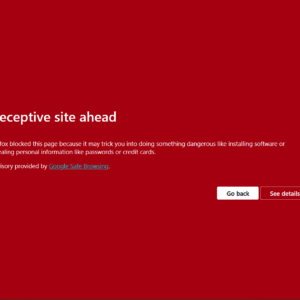
But the Gemforex saga didn’t end there. Since its collapse, dozens of fake “Gemforex relaunch” websites have appeared online, using the brand’s name to lure in new victims. These clone scams promise a return of the broker under “new management,” but in reality, they are nothing more than fronts for financial fraud.
The Gemforex story illustrates a dangerous trend: failed brokers becoming breeding grounds for impersonation scams.
The Rise & Fall of Gemforex
Background:
- Launched in the mid-2010s, Gemforex marketed itself heavily in Asia and Europe.
- Known for extreme leverage offerings (up to 1:1000) and aggressive deposit bonuses.
- Registered offshore, with operations tied to Mauritius and New Zealand shell structures.
Collapse in 2023:
- Banking partners froze relationships amid growing compliance concerns.
- Withdrawals were suddenly halted.
- The company issued vague “system maintenance” notices before going dark.
- Traders worldwide reported losing access to deposits overnight.
No Compensation:
- Because Gemforex was not licensed in major jurisdictions, customers had no recourse to compensation schemes like the UK’s FSCS.
- Victims were left with frozen balances and unanswered support tickets.
The sudden disappearance of Gemforex created a vacuum that fraudsters quickly exploited. Within months, domains such as:
- GemforexGlobal.com
- GemforexPro.net
- GemforexTrading.io
…began circulating, presenting themselves as the “official relaunch” or “rebranded” Gemforex.
Clone Scam Tactics:
- Repurposed Gemforex logos and branding to appear legitimate.
- Claimed to be “under new management” or “licensed in new jurisdictions.”
- Promised to “compensate old Gemforex victims” if they deposited fresh funds.
- Used WhatsApp and Telegram groups to target ex-Gemforex clients directly.
If You’ve Been Targeted:
- Preserve all evidence (emails, chat logs, TXIDs, wallet addresses).
- Report the site to regulators via official portals.
- Begin a forensic wallet trace to understand where your funds went.
If you’ve lost money to Gemforex or a Gemforex clone, beware: scammers often pose as recovery agents, demanding upfront payments. These “services” are scams themselves.
Melmac Solutions, via ScamFindings, offers victims:
- A free forensic wallet trace to follow your stolen funds.
- Investigative reports aligned with regulator and law enforcement needs.

Regulatory Warnings:
- The UK Financial Conduct Authority (FCA) and Australian Securities & Investments Commission (ASIC) have issued multiple alerts against unauthorized firms using the Gemforex name.
👉 FCA Scam Warning List
👉 ASIC Investor Alerts
Case: Elena’s Double Loss
Elena, 36, from Madrid, was one of thousands caught in the Gemforex collapse. In 2023, she lost €9,000 when her withdrawals were frozen.
In 2024, she received an email from “Gemforex Global,” claiming to be the official relaunch. They offered to “recover her old account” if she made a minimum new deposit.
- She deposited €6,500.
- Her account dashboard mimicked the old Gemforex interface, showing consistent growth.
- When she tried to withdraw, support demanded a 12% “reinstatement fee.”
- After paying, her login was disabled.
Elena’s words:
“I thought I was getting my money back. Instead, I lost even more. They used my pain to trick me twice.”
Our ScamFindings
Our research uncovered a clear pattern:
- Clone Domain Registrations
- Sites like GemforexGlobal.com and GemforexTrading.io were registered in Seychelles and St. Vincent — known offshore havens for unregulated brokers.
- Domains often last only months before being replaced.
- False Licensing Claims
- Many clones cite FCA, ASIC, or CySEC licenses that do not exist.
- Verification on regulator databases shows zero authorization.
- Fund Flows
- Blockchain tracing reveals deposits routed through USDT and BTC wallets, quickly funneled into mixers and Eastern European exchanges.
- Funds are structured to avoid traceability, a hallmark of scam operations.
- Broader Pattern
- According to Chainalysis 2024 Crypto Crime Report, “failed broker brand hijacks” like Gemforex clones accounted for hundreds of millions in global scam revenue last year.
The Gemforex case highlights two critical issues in modern finance:
- Broker Collapses Leave Investors Vulnerable
- With no compensation schemes, customers are left stranded.
- Their personal data (emails, phone numbers) becomes fodder for scammers.
- Brand Hijacking Creates Double Victims
- Scammers impersonate failed firms, giving their schemes instant credibility.
- Victims like Elena lose money twice — once to the collapse, once to the impersonators.
- Regulatory Gaps Remain
- Offshore firms exploit loopholes in jurisdiction.
- Regulators issue warnings, but funds are already gone by the time alerts are published.